Toyota Mobility Foundation showcase the TRUST (Thailand Road Users Safety through Technology) Project progress with data-driven approach at Thailand Smart City Expo and Thailand Road Safety Seminar
AsiaHighlights how data, AI and continuous evaluation can help identify and address road risks
Launched in April 2025, the TRUST Project is a collaborative initiative involving the Toyota Mobility Foundation (TMF), Bangkok Metropolitan Administration (BMA), UN-Habitat, Asian Institute of Technology (AIT), Toyota Motor Thailand Co., Ltd. (TMT), and Road Accident Victims Protection Co., Ltd. (RVP). The project applies data and technology to examine road safety through three interconnected dimensions: people, roads and infrastructure, and vehicles.
Rather than applying a single standard solution, the partners combine analytical evidence with local knowledge to validate root causes and co-develop countermeasures suited to each location.
“Data and advanced analytics give us a more objective understanding of traffic safety, helping uncover insights that may not always be visible through conventional observation alone. While these tools can help reduce reliance on potential human bias, as Toyota Mobility Foundation we recognize that local knowledge and human perspectives remain essential to understanding the real context of road users. We believe that emerging technologies with human insights can accelerate the way we identify problems, develop precise and more cost-effective solutions and evaluate their effectiveness. By using technological evidence to guide practical, targeted interventions, we can develop meaningful approaches that can be adapted and scaled to other locations.” — Pras Ganesh, Executive Program Director, Toyota Mobility Foundation
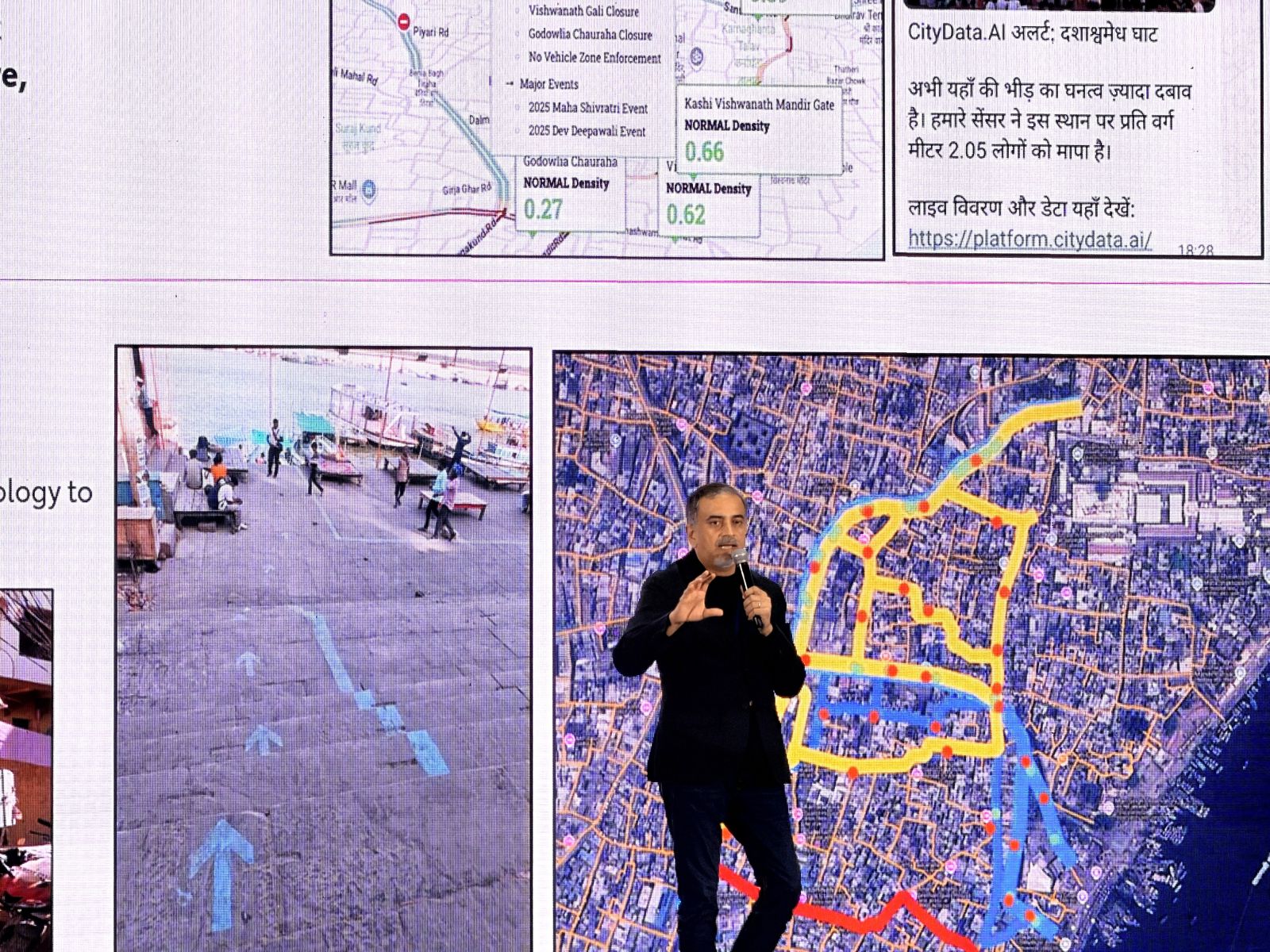
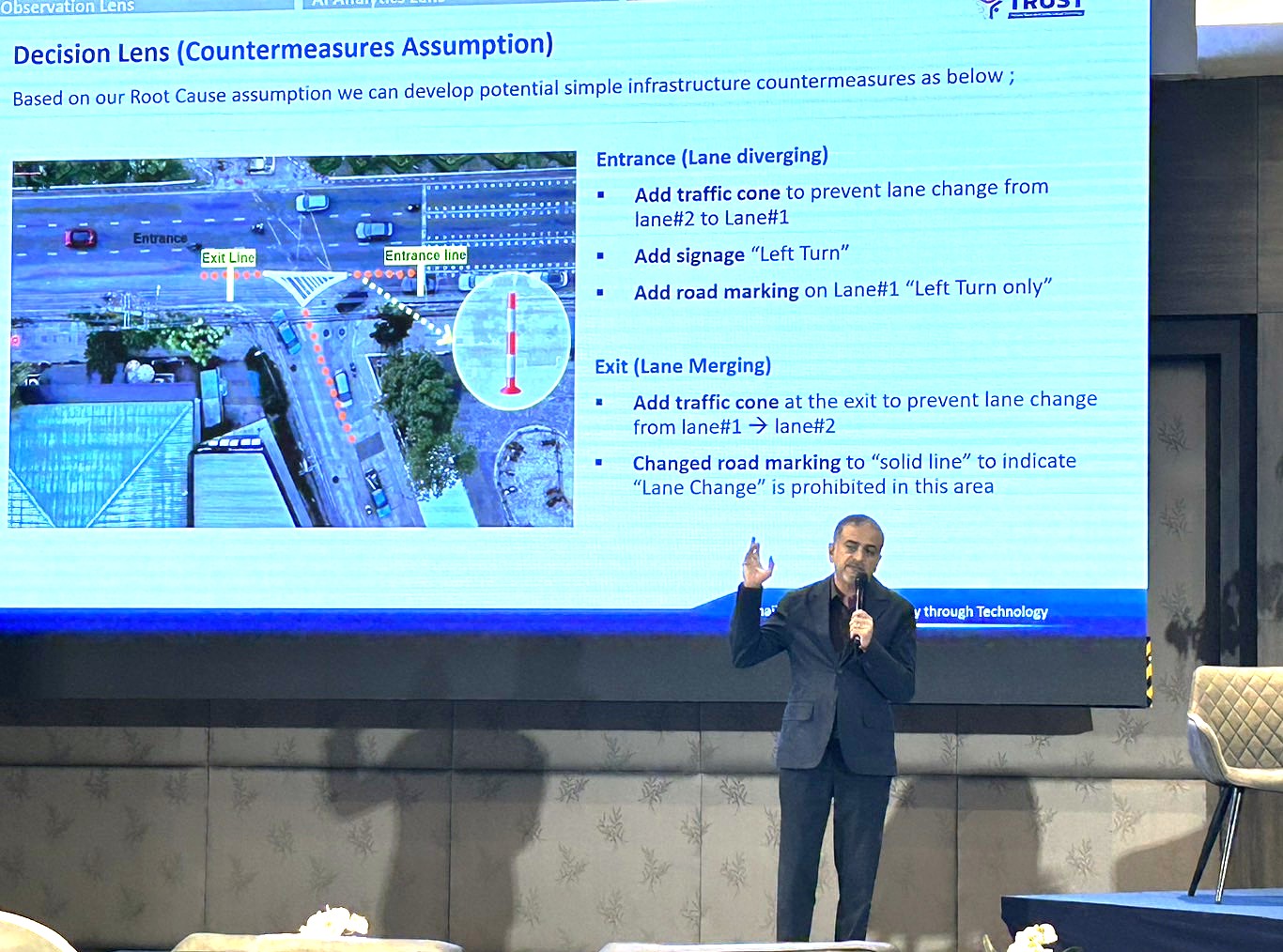
Image 1 : Pras Ganesh, Executive Program Director of the TMF, presents at Thailand Smart City Expo 2026 in Bangkok
Image 2 : Pras Ganesh shares the TRUST approach at the 17th Thailand Road Safety Seminar, 20 November 2026.
A Proactive Approach: From Data to Continuous Improvement
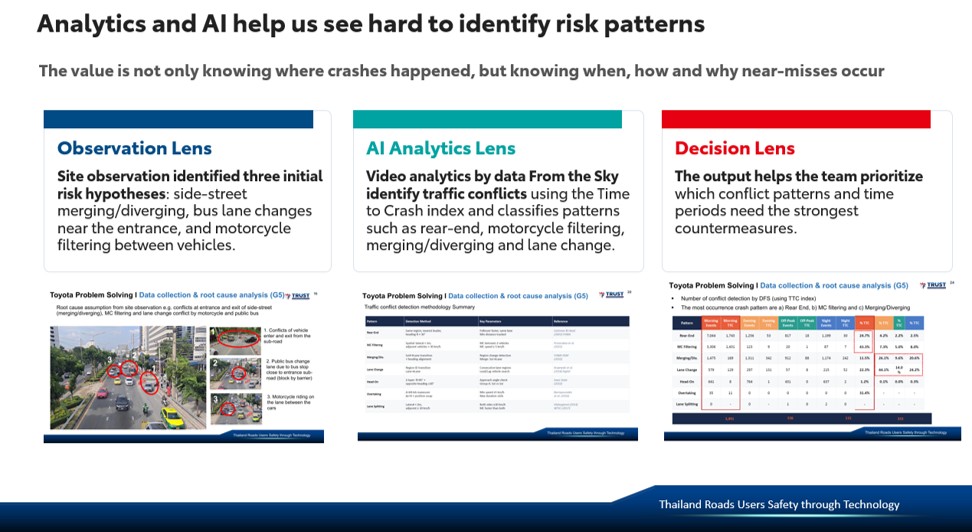
Image 3 : The TRUST approach connects data-led risk screening, AI-assisted analysis, local validation and continuous monitoring.
Learning from Implementation: Ratchada Soi 32
In Bangkok’s Chatuchak district, TRUST selected three trial blackspots in consultation with BMA and AIT: At Wat Samian Naree School (G2), at the Ratchada-Lad Phrao intersection (G4), and at Ratchada Soi 32 (G5). Because each site has different physical conditions and risk patterns, the project uses different data-collection and AI-analysis methods, including GoPro or CCTV footage with Transoft Solutions software at G2 and G4, and drone footage with DataFromSky at G5
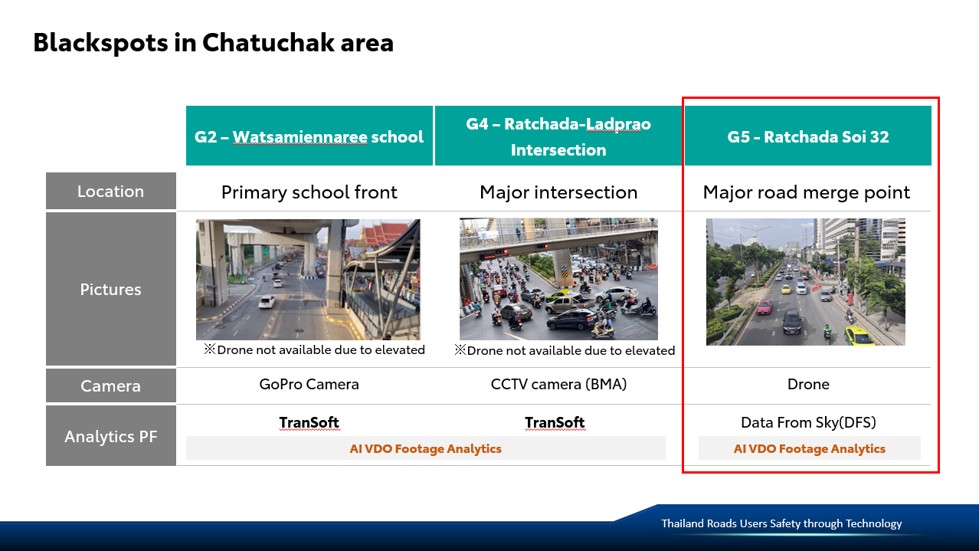
Image 4 :Identifying 3 black spots and different data collection and AI-analysis methods
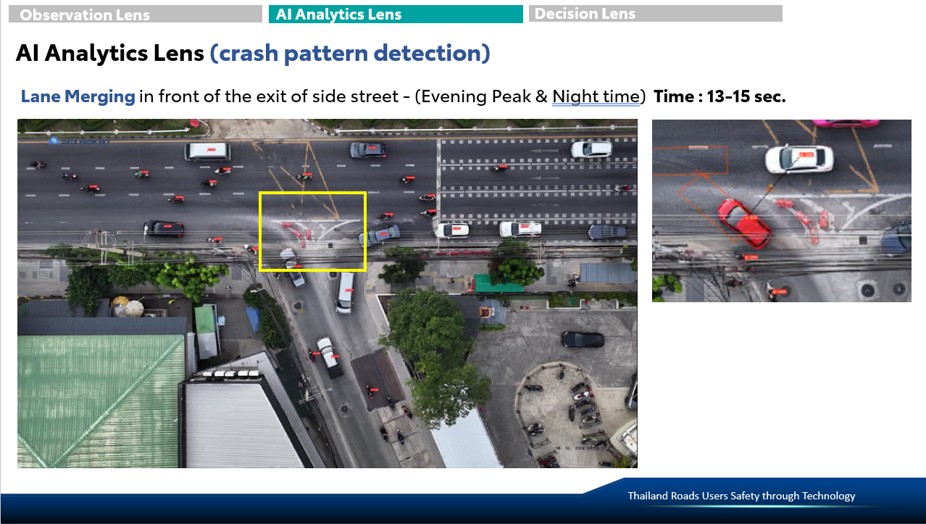 Image 5 : Drone and video analysis at Ratchada Soi 32 helped examine traffic movements during the morning
Following the review of data findings with relevant stakeholders, BMA introduced a set of practical traffic-management and road-marking measures at the location. These included traffic cones to discourage late lane changes, blue “Turn Left” road markings and approach signage, and a solid line on the main road near the side-street exit to discourage lane changes.
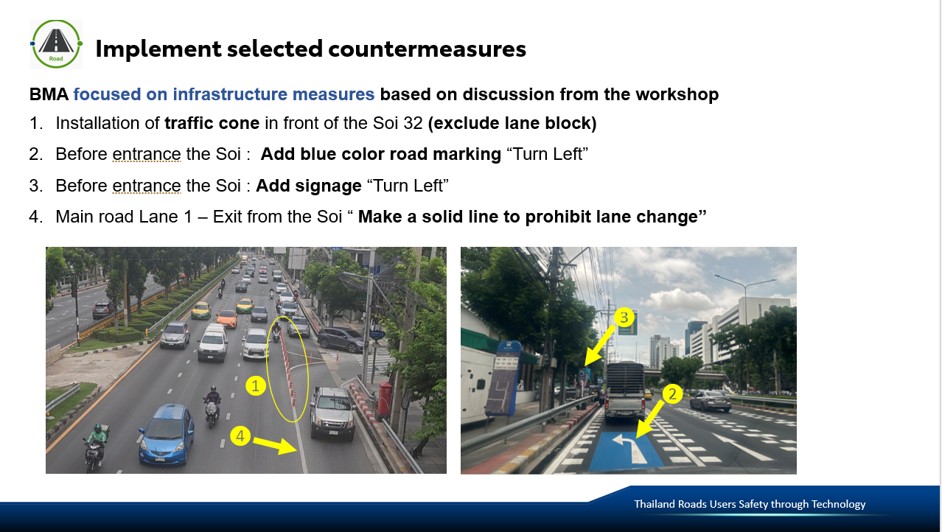
Image 6 : Traffic-management and road-marking measures introduced by BMA at Ratchada Soi 32 from data analysis
The implementation also illustrates why monitoring is an essential part of the TRUST approach. Initial observations have indicated a possible unintended effect: some motorcycles appeared to slow sharply before the cones when preparing to turn into the side street, potentially creating a rear-end risk for following vehicles. This observation will be examined through a formal evaluation using comparable data sources. The experience reinforces that road-safety measures need to be monitored after implementation and adjusted when evidence points to new or remaining risks.
Building a Model That Can Be Shared
Beyond individual locations, TRUST is intended to demonstrate a repeatable way of using data and technology to support road-safety planning. TMF aims to share the methodology, analytical approach and lessons learned with public agencies and partners, supporting their ability to apply the approach in other districts and provinces. The longer-term ambition is to contribute to safer, more inclusive and more sustainable mobility through solutions that can be adapted to local conditions.
TRUST findings are also being considered for future activities under the KUB-DEE-DAI-DEE (KDDD) “Drive Good, Earn Good” campaign, a joint initiative of BMA, Honda and TMF launched in November 2025 that encourages safer driving through positive reinforcement.
About the TRUST Project
Evolving from the insightful discussions of mobility companies and organizations at the Tateshina Meeting in Japan, strategizing on road safety issues, the TRUST Project in Bangkok uses data-driven analytics and technology to identify high-risk accident zones and unsafe driving behaviors with focus on the prioritized focus areas of human behavior, infrastructure and vehicle. The project is a joint initiative of TMF, BMA, TMT, UN-Habitat, AIT, and Thai RVP. Through this initiative, TMF, BMA and its partners aim to create a scalable model for road safety that can be piloted in Bangkok and replicated across Thailand to be shared globally.
About Toyota Mobility Foundation
Toyota Mobility Foundation (Chair Akio Toyoda) was established in August 2014 by Toyota Motor Corporation (Toyota) to support the development of a more mobile society in which everyone can move freely. The Foundation underscores Toyota’s ongoing commitment to continuous improvement and respect for people. It utilizes Toyota’s expertise and technologies to support strong mobility systems while eliminating disparities in mobility. TMF works in partnership with universities, governments, non-profits, research institutions and other organizations, creating programs that are aligned with the UN Sustainable Development Goals (SDGs) to address mobility issues around the world. “TMF aims to create a truly mobile society that will help people live better lives no matter where they are.”, quoted Chair Akio Toyoda.
RELATED CONTENT
Toyota Entities Provide Support Following Flood Disaster in Nepal
Corporate
Toyota Mobility Foundation Announces Plans to Scale Sustainable Mobility Solutions Across Indian Cities
Corporate